By Christie's International Real Estate First Coast
Moving to a new home marks the start of an exciting chapter, but for most people, the process itself can feel overwhelming. You might find yourself facing endless to-do lists, countless boxes, and a ticking clock. What if you could make this journey much smoother, seamless, and rewarding? Whether you're moving across the city or to another state, there are clever tricks and smart shortcuts that can transform the entire experience. By tapping into a few little-known strategies, you can make your move more efficient and less stressful — and save time, energy, and money in the process.
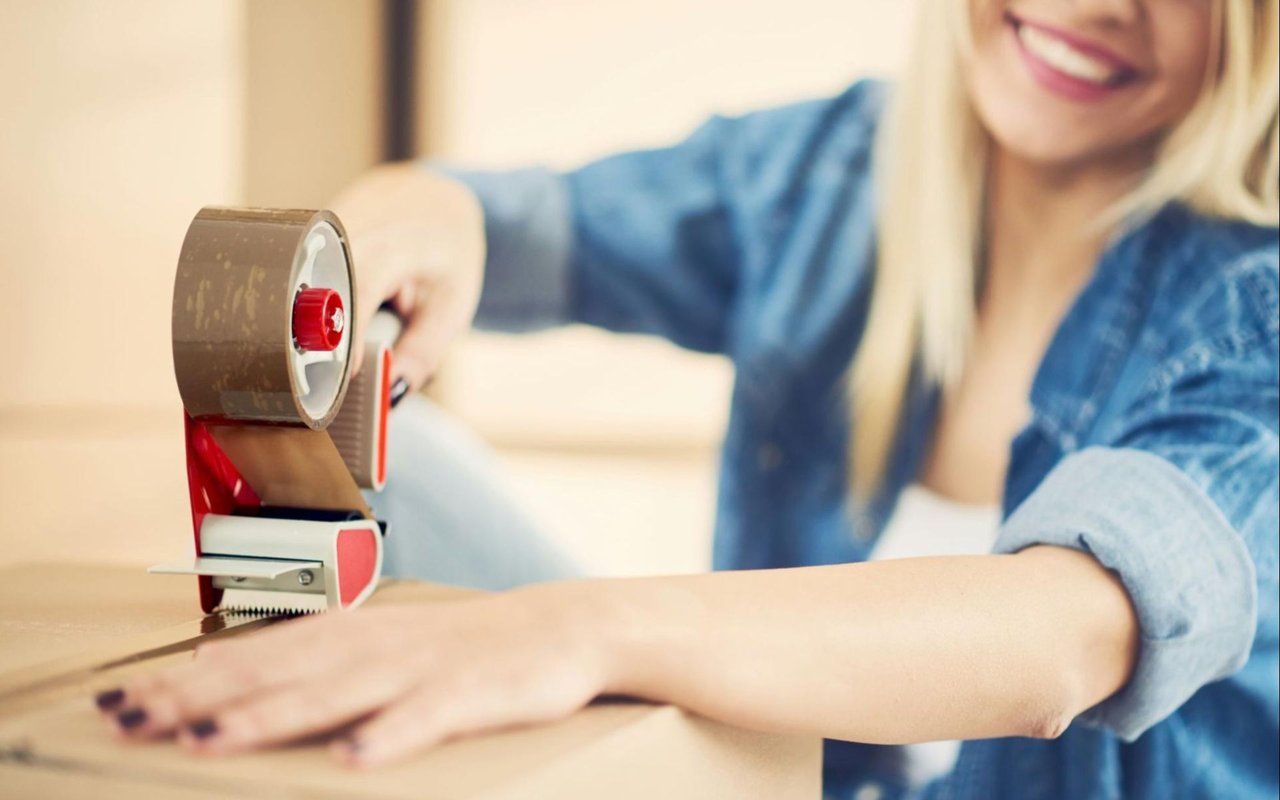
Before you tape the first box or start sorting drawers, discover the hacks that moving pros and seasoned movers swear by. This guide covers everything you wish someone had told you sooner, from prepping your belongings to keeping your move on track.
Key Takeaways
- Discover practical tips to simplify packing and unpacking.
- Learn easy ways to stay organized before, during, and after your move.
- Find out how to save money, time, and effort throughout the process.
- Get advice for reducing stress and avoiding common pitfalls.
Smart Planning: The Foundation Of A Stress-Free Move
Planning ahead is the single most effective way to ensure that a move goes smoothly. Start early, giving yourself several weeks or even months to prepare, if possible.
Begin by outlining every step, from decluttering to setting up your new place. Create a moving timeline, either on paper or digitally, to track tasks and deadlines. This roadmap will keep you organized and help you avoid last-minute chaos.
Gather all the materials you’ll need in advance. Stock up on sturdy boxes, packing tape, bubble wrap, markers, and specialty items like wardrobe boxes. Don’t overlook essentials, such as a box cutter, trash bags, and labels. If you need to hire movers or rent a truck, book them ahead of time to secure your preferred dates and avoid price hikes.
One often-missed strategy is to notify utility companies and change your address with important contacts before moving day. This ensures a smooth transition in services, prevents disruptions, and saves you from scrambling to update your information later.
Hacks For Smart Planning
- Make a digital or physical moving checklist to track every task.
- Reserve moving trucks and professional movers several weeks ahead.
- Gather more sturdy boxes and packing supplies than you think you’ll need.
- Schedule disconnections and connections for internet, water, and electricity.
- Set up a folder for important documents you’ll need during the move.
Decluttering: Lighten Your Load Before You Pack
Packing items you rarely use only creates extra work and costs more in transportation. So, take the time to sort your belongings room by room. Decide what to keep, donate, sell, or recycle. Use the “one-year rule”: if you haven’t used something in the past year, consider letting it go.
Consider hosting a yard sale or using online platforms to sell valuable items that you no longer need. Donating gently used goods to local charities can benefit others while helping you streamline your possessions. As you declutter, categorize everything so that you can pack similar items together, making unpacking at your new home much more straightforward.
Decluttering also means reviewing paperwork and digital files. Shred old documents and clear out unnecessary files to reduce the number of boxes you need to move.
Hacks For Decluttering
- Use the “one-year rule” for deciding what to keep or toss.
- Sell valuable items online or at a garage sale for extra cash.
- Donate usable goods to local organizations.
Packing Like A Pro: Techniques That Save Time And Space
Packing can be time-consuming, but working with professional techniques speeds up the process and helps prevent damage. Start by packing up items you rarely use, such as seasonal décor or out-of-season clothes. Work toward everyday essentials, which should be packed last so that they remain accessible until the final days.
Use smaller boxes for heavier items like books and larger boxes for lighter, bulkier belongings, such as pillows and bedding. Reinforce the bottom of each box with extra tape for added support. Label each box with its contents and the room to which it belongs. For extra organization, color-code your boxes using stickers or colored tape.
Pack an essentials box with everything you’ll need during the first night in your new place — think toiletries, medications, a phone charger, snacks, and a change of clothes. This prevents you from digging through boxes for various necessities after a long moving day.
Hacks For Packing
- Use clothes and linens to wrap breakables and save on packing materials.
- Pack heavy items in small boxes and lighter items in larger ones.
- Reinforce boxes with extra tape to prevent breakage.
- Label and color-code boxes for easy sorting at your new home.
- Pack an essentials box for your first night.
Creative Ways To Move Clothes, Shoes, And Accessories
Moving your wardrobe can be more challenging than you’d expect. One of the best hacks is to keep clothes on hangers and group them together. Slide a garbage bag up over a group of clothes, cinch it at the top around the hangers, and tie it. This keeps your clothes clean and ready to hang up at your new place. For dresser drawers, leave lightweight clothes inside and secure the drawers with plastic wrap.
Pack shoes in clear plastic bins or use wine boxes to separate pairs and keep them from getting crushed. Small accessories, jewelry, and belts can be organized in resealable bags or pill organizers to prevent tangling.
Hacks For Moving Clothing And Accessories
- Keep clothes on hangers, group them, and cover with a garbage bag.
- Leave light clothing in dresser drawers and wrap the dresser in plastic.
- Use clear bins or wine boxes to organize shoes and keep them paired.
- Pack small accessories in resealable bags or pill organizers.
- Secure jewelry and belts in labeled containers for easy access.
Kitchen Packing: Protecting Fragile Items
Kitchens are filled with fragile, oddly-shaped items that require extra care. Start by packing dishes vertically in boxes, as they’re less likely to break than when stacked flat. Use dish towels, socks, or t-shirts to cushion plates and glassware. Pots, pans, and large utensils can be bundled together or nested to maximize space.
For pantry items, seal open containers and pack cans and jars tightly to prevent shifting. Appliances should be cleaned, dried, and packed with their cords secured. If you have the original boxes for smaller appliances, use them for the best fit. Keep essentials like a coffee maker, a few mugs, and utensils in an easily accessible box so you can set up a basic kitchen quickly at your new place.
Label boxes as “fragile,” and take photos of how electronics or appliance cords are connected to simplify reassembly.
Hacks For Kitchen Packing
- Pack dishes vertically and use towels or clothing for cushioning.
- Bundle pots, pans, and utensils together to save space.
- Seal open pantry items and group cans and jars tightly.
- Clean and pack appliances with cords secured.
- Take photos of electronics or appliance connections for easy setup.
Tech And Electronics: Ensuring Nothing Gets Lost Or Damaged
Technology has become central to daily life, so transporting your electronics requires special attention. Back up all important data on your devices before packing them away. Use the original boxes for computers, TVs, and other electronics if you still have them; otherwise, wrap them in blankets and pack them in sturdy boxes with plenty of padding.
Cables and chargers often get tangled or lost during a move. Use toilet paper rolls or small ziplock bags to organize them, and label each set of cables. You can also take a quick photo of the back of your TV or computer to remember which cable goes where.
Small parts like screws or remotes should be bagged and taped to the device they belong to. Keep all your most-used electronics, chargers, and Wi-Fi equipment in a clearly labeled box that stays with you during the move.
Hacks For Moving Electronics
- Back up important data before packing any devices.
- Use original boxes for the best fit and protection.
- Organize and label all cables and chargers in separate bags.
- Take photos of cable setups for easy reassembly.
FAQs
How Can I Make Packing Faster And More Efficient?
Use a room-by-room approach and start with items you use less frequently. Wrap fragile items with soft linens, and label boxes with the contents and their destination room.
What’s The Best Way To Move Clothes?
Keep clothes on hangers and cover with a large bag or garment bag. Leave lightweight clothes in drawers, and wrap the whole drawer for quick, easy transport.
How Do I Safeguard Electronics During A Move?
Back up data and use original boxes if available. Label and bag cables separately, and take photos of how electronics are set up before disconnecting them.
Are There Ways To Save Money On Moving Supplies?
Look for free boxes from local stores, use household items as packing material, and rent reusable bins. Shop around for the best deals on supplies and moving services.
Make Your Next Move The Easiest One Yet
You don’t have to dread moving day. With the right approach and a few game-changing hacks, you can handle your move efficiently and even enjoy the process. So, gather your supplies, use these expert tips, and get ready for a move you’ll actually look back on with a smile.
Ready to make your next move the smoothest one yet? Connect with Christie's International Real Estate First Coast, and let our experienced team guide you every step of the way. Whether you’re relocating locally or across the country, we’ll provide expert advice, trusted resources, and personalized support tailored to your needs.